Breaking News




Popular News





Enter your email address below and subscribe to our newsletter
Virtual Assistant Blog
Discover everything about Medical Virtual Assistant Duties, including key responsibilities, daily tasks, skills required, and how they improve healthcare efficiency.
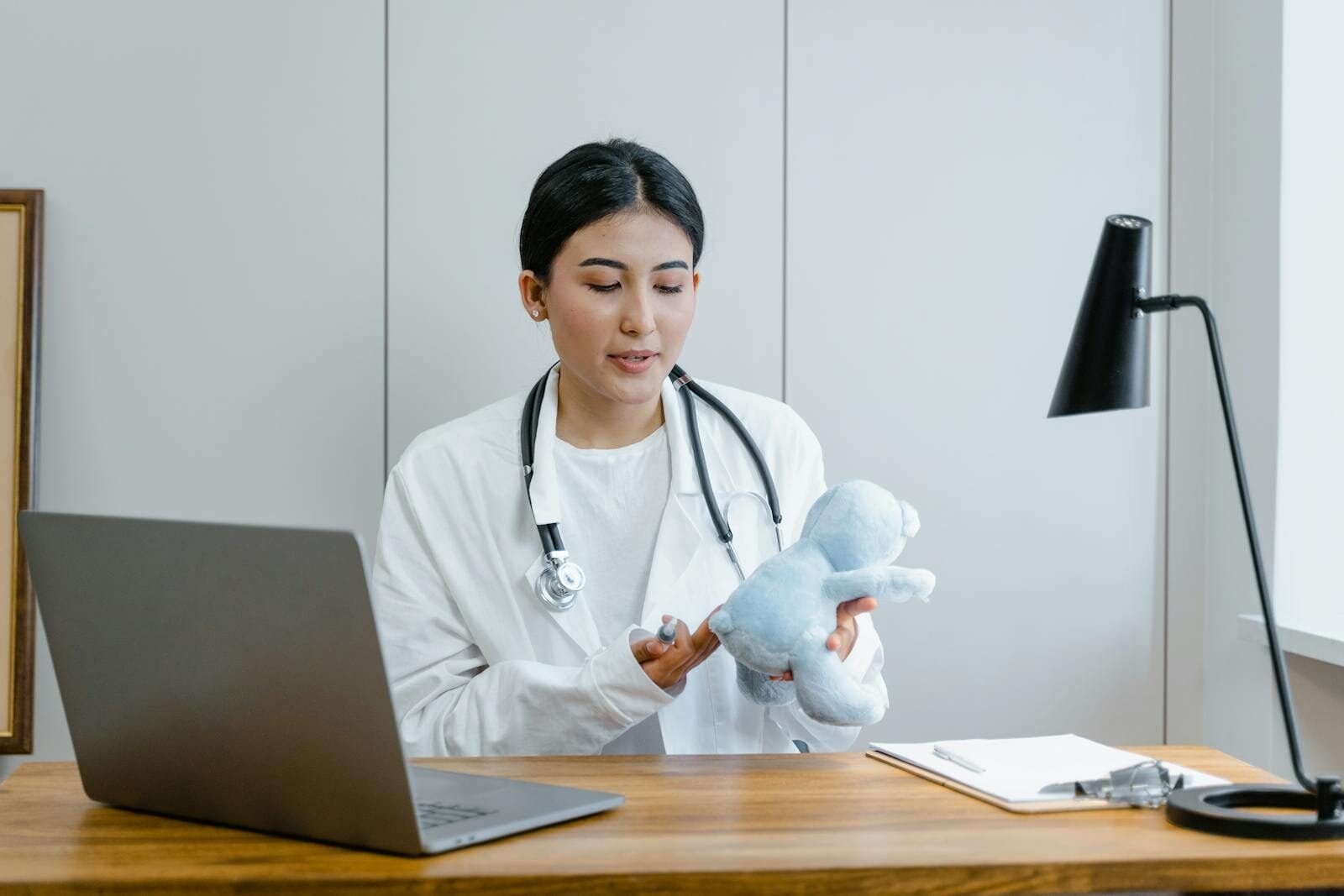
Understanding Medical Virtual Assistant Duties is essential for any healthcare practice looking to improve efficiency and reduce workload. Medical virtual assistants (MVAs) are remote professionals trained to handle a wide range of administrative, technical, and clinical support tasks.
Their duties go far beyond basic virtual assistance. They are deeply integrated into healthcare workflows and are capable of handling sensitive tasks such as patient communication, medical billing, insurance verification, and documentation.
Medical Virtual Assistant: Complete Guide for Healthcare Practices
In simple terms, medical virtual assistant duties involve everything that keeps a healthcare practice running smoothly—without requiring a physical presence in the office.
Healthcare systems today are under immense pressure. Doctors and staff often face overwhelming administrative workloads, which can lead to burnout and reduced patient care quality.
Medical virtual assistants help solve this problem by taking over routine tasks. This allows healthcare providers to:
As healthcare continues to evolve, the importance of clearly defined medical virtual assistant duties becomes even more critical.
One of the most important duties of a medical virtual assistant is managing appointments. This includes:
Efficient scheduling ensures that healthcare providers can maximize their time and reduce no-shows.
MVAs manage the daily calendars of doctors and healthcare staff. They ensure that schedules are organized, conflicts are avoided, and time is used effectively.
Medical virtual assistants handle patient intake processes, including:
This ensures a smooth onboarding experience for new patients.
Accurate documentation is critical in healthcare. MVAs assist by:
Keeping patient records up to date is a key responsibility. MVAs ensure that all information is accurate and accessible.
With the rise of telehealth, MVAs play a vital role in:
Medical virtual assistants respond to patient questions via phone, email, or chat. They provide information, clarify doubts, and guide patients through processes.
Follow-ups are essential for patient care. MVAs ensure that patients:
MVAs handle incoming and outgoing communications, ensuring timely responses and professional interactions.
Medical virtual assistants prepare and submit insurance claims, ensuring accuracy and compliance.
They record payments and update billing systems, keeping financial records accurate.
MVAs investigate and resolve claim denials, helping practices recover lost revenue.
Before appointments, MVAs verify patient insurance coverage to avoid complications.
They handle pre-authorization requests, ensuring that treatments are approved in advance.
Accurate data entry is crucial for maintaining patient records and operational efficiency.
MVAs ensure that all patient data is stored securely and handled with confidentiality.
Medical virtual assistants are proficient in healthcare systems and tools. They manage software used for scheduling, billing, and record-keeping.
They assist with minor technical issues, ensuring smooth operations.
MVAs must follow strict regulations to protect patient information.
They use secure systems and practices to maintain data integrity.
Different specialties require customized support, and MVAs adapt accordingly.
These systems store and manage patient data efficiently.
Email, chat, and video platforms are essential for remote work.
Delegating tasks improves workflow and productivity.
Hiring MVAs reduces overhead costs significantly.
With less administrative burden, healthcare providers can focus on patients.
Remote work can lead to misunderstandings if not managed properly.
MVAs may need onboarding to align with specific workflows.
Artificial intelligence will enhance efficiency and automation.
As telehealth expands, MVAs will become even more essential.
They include administrative, clinical support, billing, and communication tasks in healthcare.
Yes, many are trained in medical billing and coding.
Yes, they follow strict compliance standards.
They can work full-time or part-time.
Technical knowledge, communication, and organization.
Yes, they reduce operational costs significantly.
Understanding Medical Virtual Assistant Duties is crucial for modern healthcare practices. These professionals handle a wide range of tasks that keep operations running smoothly.
From scheduling and billing to patient communication and data management, MVAs play a vital role in improving efficiency and patient care. As healthcare continues to evolve, their importance will only grow.
Adopting medical virtual assistant services is not just a smart choice—it’s a necessary step toward a more efficient and patient-focused healthcare system.